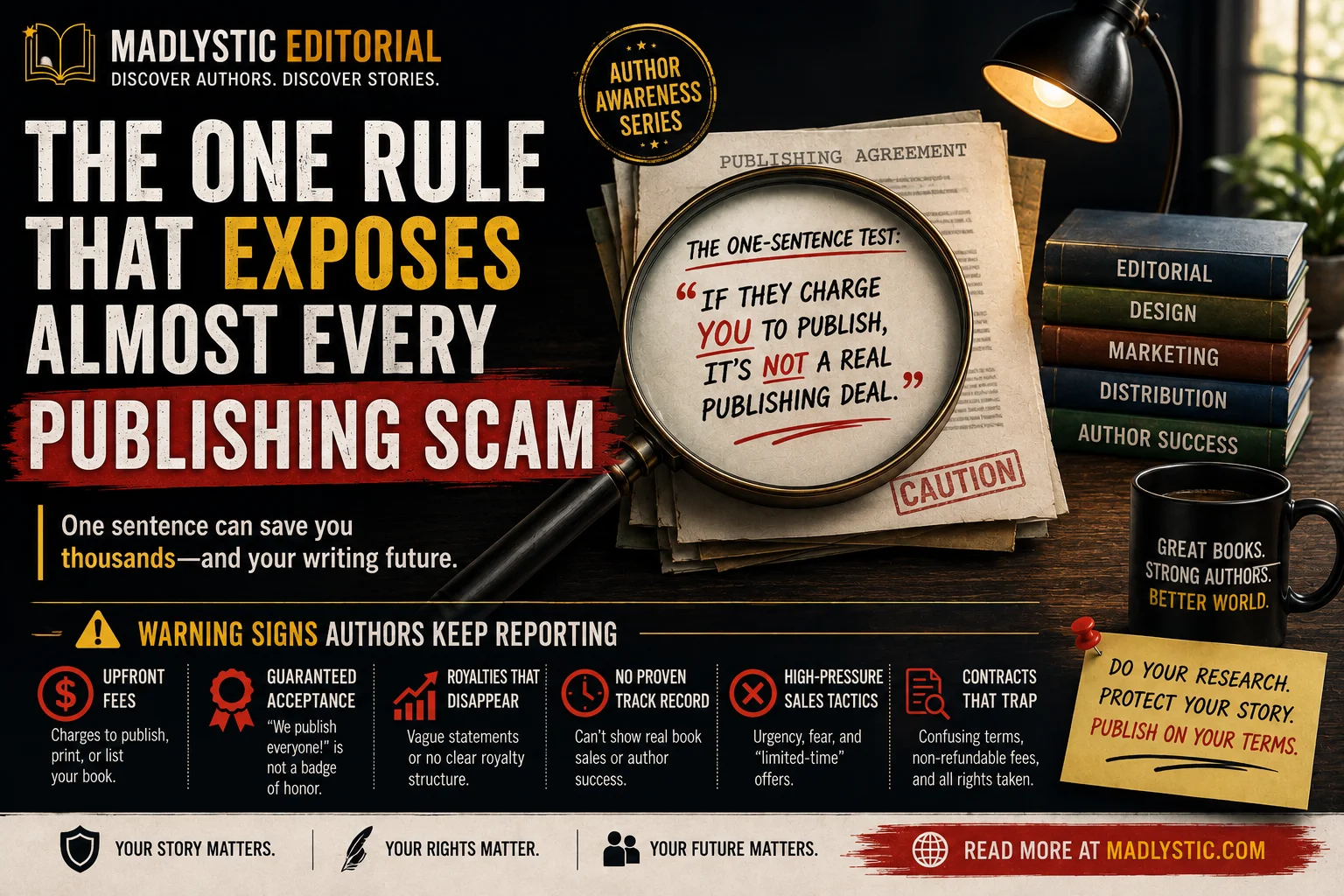
The One Rule That Exposes Almost Every Publishing Scam
"Hybrid publisher" sounds legitimate — and scammers know it. Here's the one-sentence test that separates a real publishing deal from a vanity press wearing a nicer name, plus the real warning signs authors keep reporting after it's too late.
Published August 24, 2026
8 min read
Quote of the Day
"A legitimate publisher, whether traditional or hybrid, makes money by selling books to readers... The author does not pay the publisher." — a plain, one-sentence test that exposes nearly every publishing scam
There's one sentence that, once genuinely understood, exposes the overwhelming majority of publishing scams targeting new authors: a legitimate publisher makes money selling books to readers. A vanity press makes money selling services to authors. Everything else — the packages, the pressure tactics, the flattering phone calls — is really just decoration around that single, structural difference.
Why "hybrid publisher" has become the scammer's favorite disguise
Genuine hybrid publishing is a real, legitimate model: the author pays upfront for production, in exchange for a meaningfully higher royalty split than traditional publishing offers, and the publisher applies real editorial vetting rather than accepting every manuscript that arrives. The problem, as multiple industry watchdogs now document extensively, is that vanity presses have learned to borrow the term almost wholesale, using words like "hybrid," "author support," and "custom packages" on their own websites specifically because those phrases now sound legitimate to authors who've done a little research. One publishing-scam guide put it bluntly: be particularly wary of vanity presses masquerading as hybrid publishers — the label alone proves nothing.
The real signs, gathered from the people who actually got burned
The Science Fiction and Fantasy Writers Association's long-running Writer Beware initiative, along with the Alliance of Independent Authors' publisher-ratings database, have tracked these patterns across thousands of real author reports for years. A few signs recur constantly:
No real vetting process. A legitimate publisher, hybrid or traditional, evaluates whether your specific manuscript is actually worth investing in. If a company accepts your book on the spot, with no meaningful questions about the manuscript itself, that's not flattery — it's a business model that depends on volume of authors paying fees, not quality of books actually selling.
Unsolicited outreach claiming to have "found" your manuscript. One author-advice site notes plainly that unless you already have a substantial existing following, it's extremely rare for a genuine traditional publisher to contact you first, rather than the reverse. A cold call or email claiming your work was discovered and could be "the next bestseller" is one of the most consistently reported scam openers.
Pressure and urgency. Countdown timers, "special pricing good today only," and heavy insistence on signing quickly are treated as an almost universal red flag across every source reviewed — legitimate publishers, as one editor put it, don't rush you, because they're not worried about losing a sale.
Vague answers about what you're actually paying for. Ask a real hybrid publisher exactly what "comprehensive editing" or "global distribution" specifically includes, and you should get concrete, specific answers. Defensiveness or vagueness in response to that question is, per multiple industry guides, reason enough to walk away entirely.
Guaranteed bestseller status or promised media attention. No legitimate publisher can honestly guarantee a specific sales outcome, a New York Times bestseller slot, or guaranteed press coverage — and multiple watchdog sources confirm this is one of the single most common vanity-press promises made and never delivered.
A real, first-person account of exactly how this plays out
One author, writing candidly on the Alliance of Independent Authors' own advice site, described being charged $10,000 CAD by a self-described "hybrid" publisher for services identical to what she could have done herself through standard self-publishing — plus direct sales pressure on the initial call, a promise of "bestseller" status that never materialized, and a claim of distribution "the same as a traditional publisher" that turned out to mean nothing more than standard Amazon KDP and IngramSpark listings — the exact same access any self-published author already has for free.
Why the pricing structure itself is often the clearest tell
Beyond the tactics, the financial structure alone can reveal a lot. Genuine hybrid publishers typically split costs and profits meaningfully in the author's favor once the book is out — royalty splits in the 70/30 or even 80/20 range in the author's favor are cited across multiple industry sources as a realistic marker of a legitimate hybrid arrangement. A company charging thousands of dollars upfront while still taking a large ongoing cut of royalties, offering no real education, coaching, or marketing support in return, is closer to the vanity-press pattern industry watchdogs describe consistently.
What to actually do before signing anything
The practical checklist that emerges across every source reviewed is consistent: search the exact company name alongside terms like "scam," "complaints," or "Writer Beware" before ever paying anything. Check whether the publisher appears in the Alliance of Independent Authors' publisher-ratings database, which tracks real author-reported concerns by name. Ask for specific, itemized answers about what any fee actually covers, and treat vagueness or defensiveness as a genuine answer in itself. And remember the one-sentence test this entire pattern boils down to: if you're the one paying, and the company's core business model depends on collecting fees from authors rather than genuinely earning money from readers buying your book, that's the fundamental structure of a vanity press — no matter what more flattering name currently sits on the door.
Conclusion
The publishing scam landscape keeps evolving its vocabulary — vanity press became subsidy press became, more recently, a whole wave of companies borrowing "hybrid publisher" specifically because legitimate use of that term has made it sound trustworthy. The names change constantly, new companies appear monthly, and no list of specific companies to avoid will ever stay current for long. What doesn't change is the underlying structure worth checking every single time: who is actually paying whom, and whose success the company's business model genuinely depends on. Get that one answer clearly, before signing anything, and nearly every version of this scam — whatever it's calling itself this year — becomes immediately easy to spot.
Share this article
Share this article with readers who'll want to read it.
You may also like
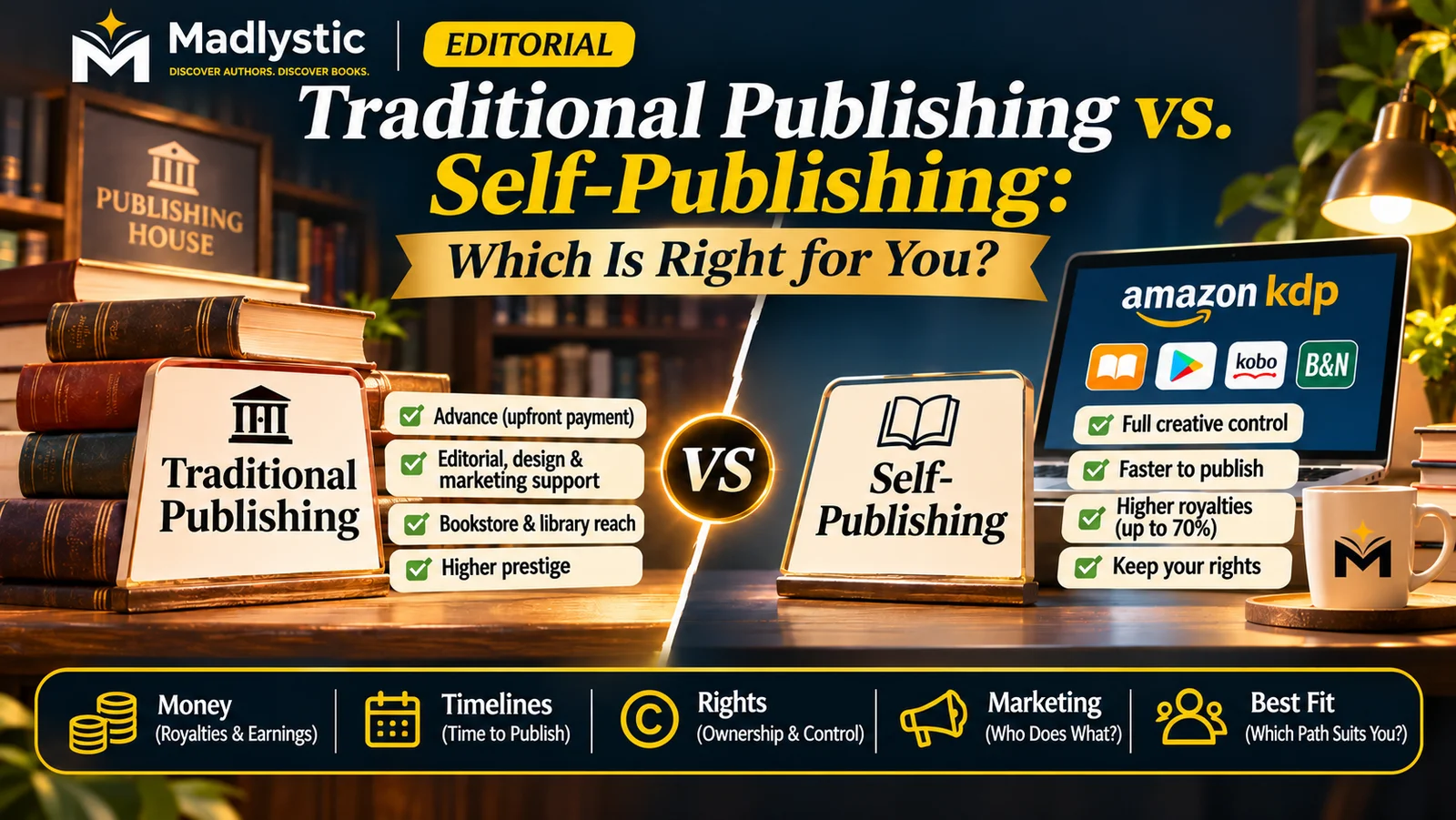
Traditional Publishing vs. Self-Publishing: Which Is Right for You?
November 24, 2026
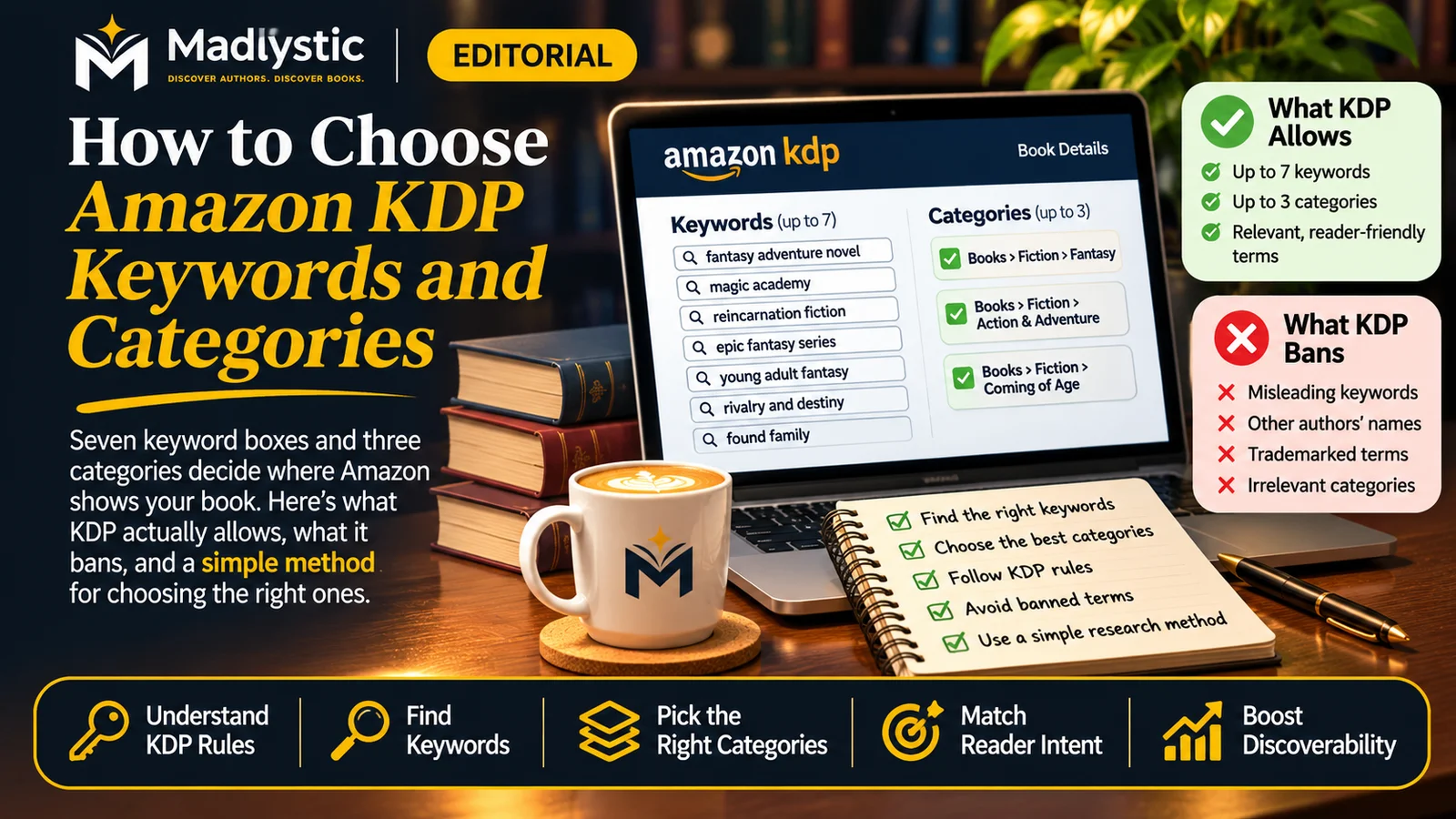
How to Choose Amazon KDP Keywords and Categories
November 20, 2026
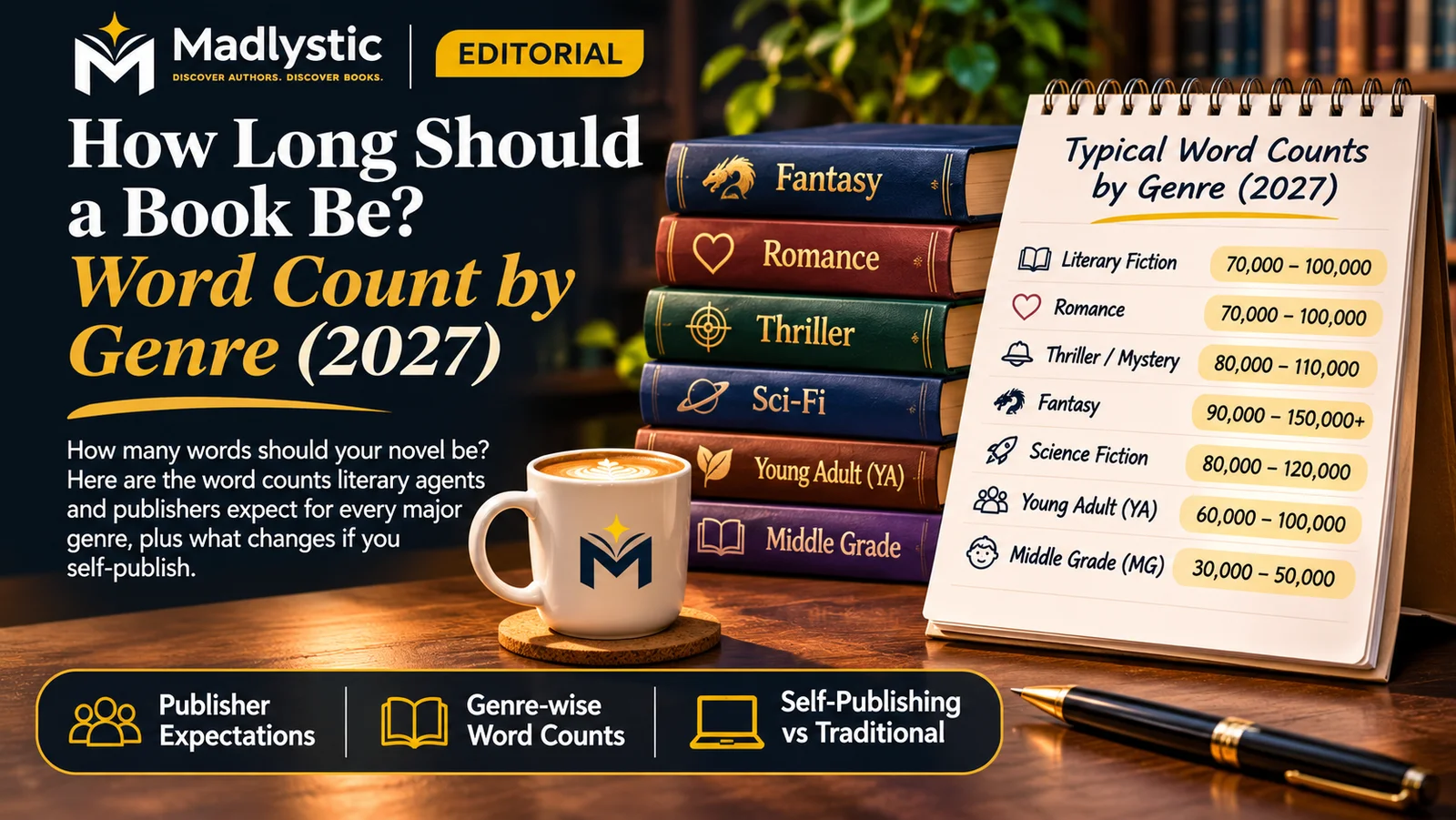
How Long Should a Book Be? Word Count by Genre (2027)
November 16, 2026
How to Self-Publish a Book on Amazon KDP (2027 Guide)
November 15, 2026