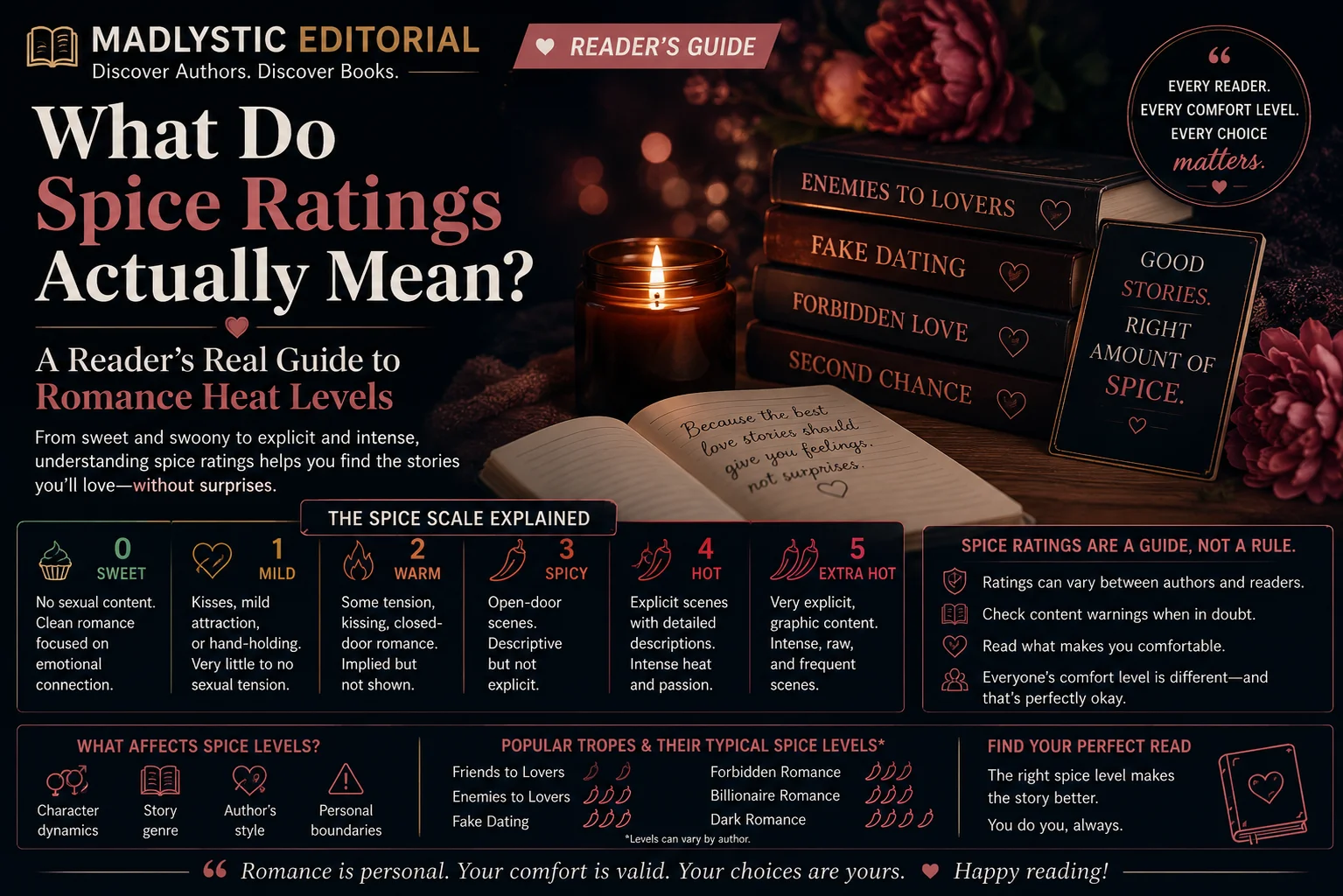
What Do Spice Ratings Actually Mean? A Reader's Real Guide to Romance Heat Levels
🌶️🌶️🌶️ shows up on every romance recommendation now, but almost nobody explains what the peppers actually measure. Here's a real, honest breakdown of what spice ratings mean, why they vary so wildly between readers, and how to actually use them.
Published July 19, 2026
10 min read
Quote of the Day
"Tension is the whole seduction. The spice is just where it lands." — a common refrain among romance readers explaining why pacing matters more than heat level.
Somewhere between "enemies to lovers" and "forced proximity," a small red pepper emoji became one of the most important pieces of information a romance reader can get before opening a book. 🌶️🌶️🌶️ shows up on BookTok captions, Goodreads reviews, OwlCrate blurbs, and Amazon Q&A sections constantly — and yet almost nobody has ever clearly explained what it's actually measuring, why two readers can rate the exact same book two peppers apart, or why the system exists at all. It's time to actually break it down.
Where the pepper scale even came from
Spice ratings weren't invented by publishers or retailers — they emerged organically from readers themselves, largely on BookTok and Goodreads, as a grassroots solution to a problem the book industry never solved on its own: romance covers and official blurbs almost never disclose how explicit the content actually is. A reader picking up a book with a beautiful, soft, watercolor cover has historically had no reliable way to know whether they're getting a closed-door slow burn or an extremely graphic, multi-chapter scene until they're already several chapters deep. The pepper scale filled that gap the way most useful internet conventions do — informally, inconsistently, and entirely because readers needed it and nobody else was providing it.
What the scale actually tries to measure
There's no single official standard, but the informal consensus that's emerged across BookTok and reader communities roughly maps like this:
One pepper — closed-door or fade-to-black. Romantic tension, kissing, implied intimacy, nothing explicit on the page.
Two peppers — some open-door content, but relatively brief or infrequent, often with more focus on emotional buildup than graphic description.
Three peppers — regular, explicit content that's a clear part of the reading experience, not incidental to it.
Four to five peppers — frequent, highly explicit, often extended scenes, sometimes involving specific kinks, power dynamics, or content that itself requires separate warnings (choking, degradation, etc.).
That's the rough shape of it — but here's the part that trips up nearly every new reader trying to use this system: the scale measures frequency and explicitness, not quality, and it definitely doesn't measure whether a book is good. A five-pepper book can have weak character development. A one-pepper slow burn can be the most sexually charged book someone reads all year, purely on tension and anticipation, without a single explicit scene. Readers who search "spiciest romance books" expecting the pepper count to correlate with how good or how emotionally intense a book is are often surprised to find it doesn't track that way at all.
Why the same book gets wildly different ratings from different readers
This is the single most common source of confusion, and it's worth naming directly: spice ratings are inherently subjective, because they're being assigned by individual readers with wildly different baselines, comfort levels, and reading histories. A reader whose primary romance diet is closed-door Christian fiction and a reader who reads primarily dark romance are going to disagree by a full pepper or two on the exact same book, every time — not because either of them is wrong, but because "spicy" is a relative term anchored to what each reader is used to.
This is compounded by a second layer of subjectivity: some readers rate based on raw explicitness (how graphic is the description), while others rate based on emotional intensity or frequency (how often does it happen, how central is it to the plot). A book with one extremely graphic but brief scene and a book with several shorter, more tender explicit scenes might both land at "three peppers" under different readers' systems, despite being genuinely different reading experiences.
Why this actually matters beyond romance readers being picky
It's tempting to treat spice ratings as a minor cosmetic detail, but they function as a genuine form of content warning — and content warnings matter for reasons well beyond taste preference. Some readers are actively avoiding explicit content for religious, personal, or simply preferential reasons. Others are specifically seeking a particular heat level and feel legitimately misled when a book undersells its content relative to what they expected. And a meaningful number of readers use spice ratings alongside broader content warnings (violence, specific trauma themes, non-consensual content) to make genuinely important decisions about what they're comfortable reading — this is not a frivolous system, even though the pepper emoji makes it look playful.
This is also why serious romance-focused communities increasingly pair spice ratings with separate, explicit content warnings rather than relying on the pepper scale alone. A five-pepper rating tells you almost nothing about what kind of content you're getting — whether it involves specific dynamics, themes, or content some readers need advance warning about entirely separate from heat level.
A real example of the system working as intended
Community-run resources have built entire reference guides specifically to formalize this informal system for readers who want more precision than "three peppers" provides. OwlCrate's community romance guide, for instance, pairs a pepper-based heat rating with a full separate content-warning list for every title it recommends — spice level as one axis, explicit warnings (self-harm, eating disorders, past trauma, on-page violence) as a completely separate axis, so a reader can make a genuinely informed choice rather than relying on a single emoji count to carry every piece of relevant information at once. That two-axis approach — heat level plus separate content warnings — is closer to what the system was always trying to become, even if the shorthand version most readers encounter online has flattened it back down to just the peppers.
What this means for how books get discovered and described
This is a real, current gap in how most book platforms present romance and romantasy specifically: genre and trope tags are common, but a standardized, visible spice/content-warning field is still rare outside of reader-run communities and blogs. A reader searching "spicy romantasy" or "closed door romance" is making a genuinely specific request that most retail platforms have no structured field to answer — they're left digging through reviews and hoping someone mentioned it.
This is exactly the kind of metadata gap that curated discovery platforms are positioned to close. A structured spice/heat-level tag sitting alongside genre and trope tags — the same kind of clean, filterable field Madlystic already uses for genre and book type — would let a reader filter directly for what they're actually looking for, rather than relying on the same word-of-mouth guesswork that created the pepper emoji system in the first place. It doesn't replace the community wisdom the scale is built on; it just makes that information findable at the moment someone's actually deciding what to read next.
Conclusion
The pepper scale is a genuinely useful piece of reader-built infrastructure, and it deserves more respect than the slightly jokey emoji makes it look like it has. It exists because readers needed a way to know what they were getting into before committing hours to a book, and no official system stepped up to provide one. Understanding what it actually measures — frequency and explicitness, filtered entirely through the rater's own personal baseline — makes it a genuinely more useful tool than treating it as an objective, universal scale ever could. The next time three peppers on one blurb feels wildly different from three peppers on another, that's not the system failing. That's just two different readers, with two different baselines, doing their best to warn the next person what's actually on the page.
Share this article
Share this article with readers who'll want to read it.
You may also like

How Fan Fiction Became a Publishing Pipeline
October 31, 2026

What the Actual Research Says About Content Warnings on Books
September 8, 2026
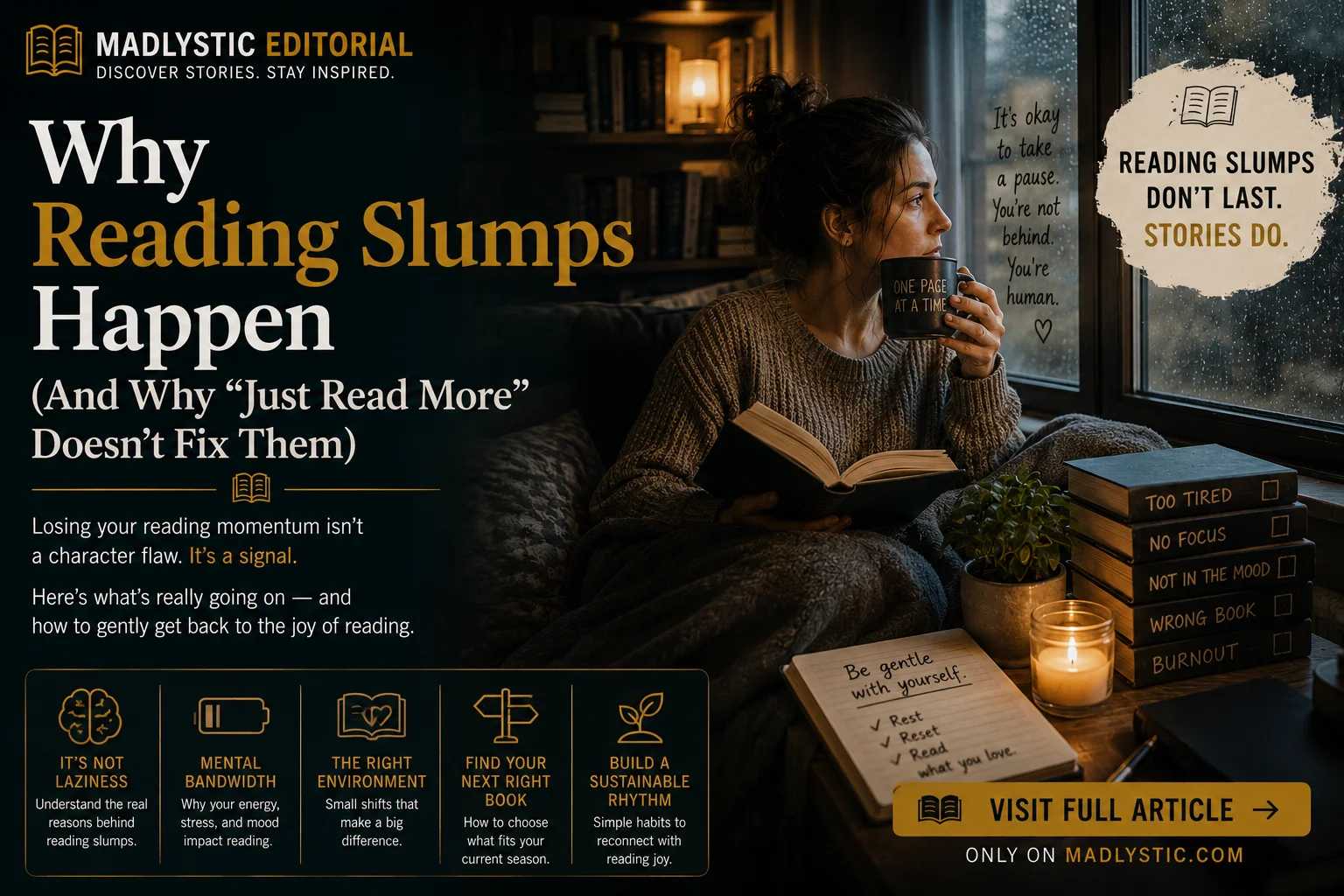
Why Reading Slumps Happen (And Why "Just Read More" Doesn't Fix Them)
July 23, 2026
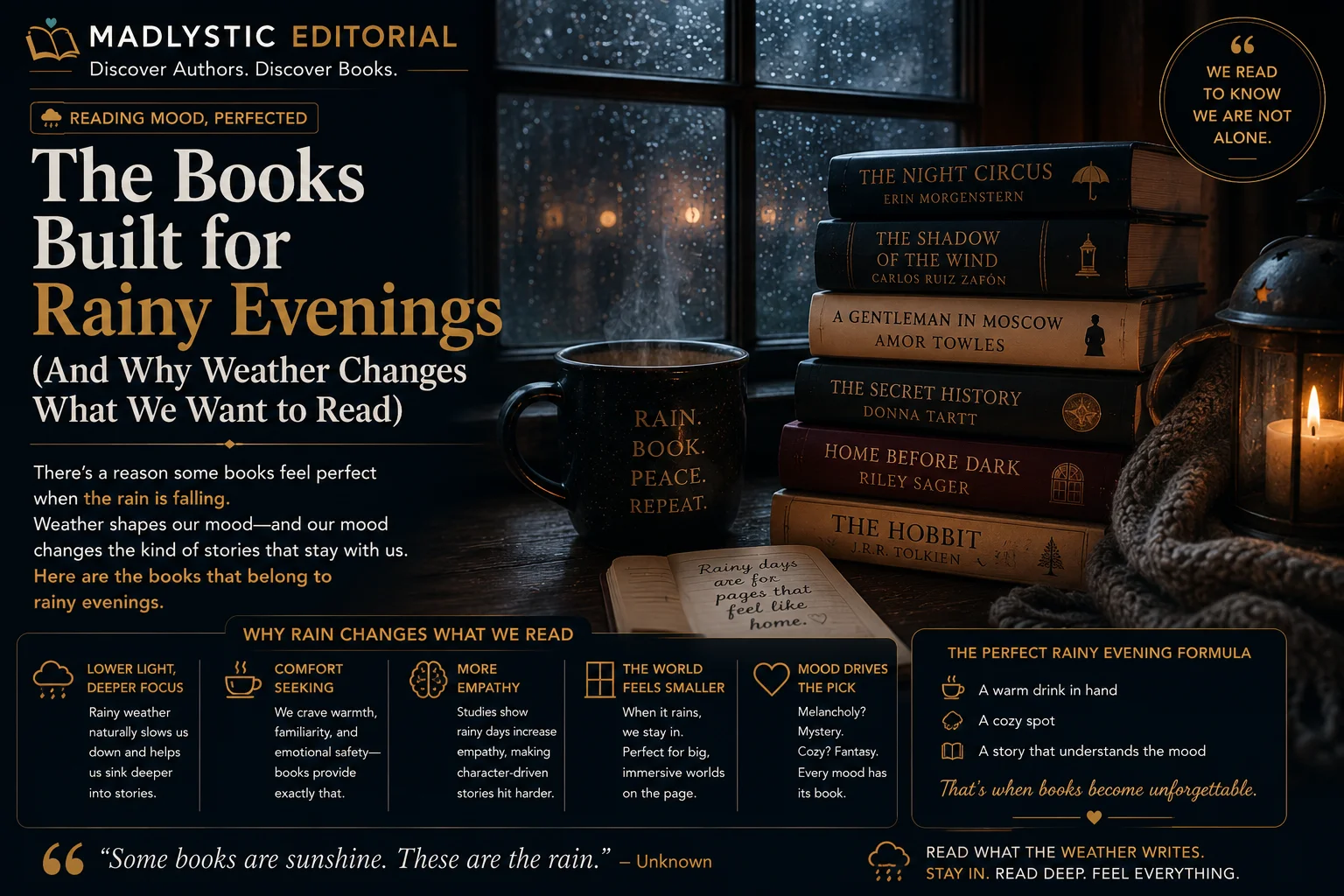
The Books Built for Rainy Evenings (And Why Weather Changes What We Want to Read)
July 19, 2026